View our locations
 Make a payment
 Apply for financing


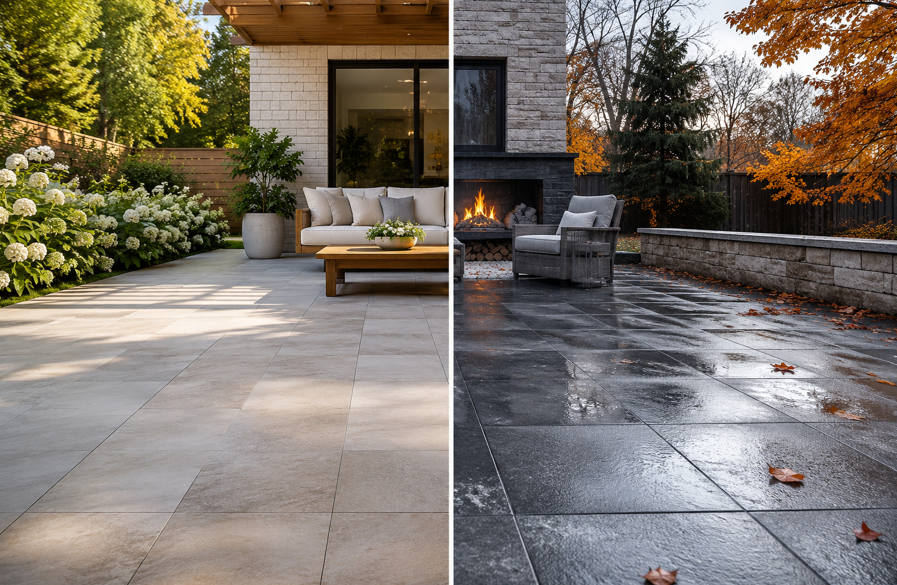
Is Outdoor Tile Right for Your Backyard?
A backyard can serve as an outdoor dining room, a place for children to play, a quiet spot for morning coffee, or the center of summer entertaining. The surface underfoot plays a major role in how comfortable, attractive, and practical that space feels.
Outdoor tile can give patios, walkways, pool surrounds, and covered porches a clean, finished appearance. It comes in looks that resemble natural stone, wood, concrete, and handcrafted clay, giving Newport News homeowners plenty of design flexibility. However, it is not the right choice for every backyard or every installation area.
Homeowners planning an outdoor update can work with Richmond Decorating, a local company serving Central Virginia since 1977, to compare flooring and design options for their homes. The best results begin with selecting a tile made for exterior use and matching it to the site, household, and preferred level of maintenance.
The main advantages of outdoor tile include strong visual appeal, broad design choice, water resistance, and straightforward cleaning. Possible drawbacks include installation requirements, slippery finishes, grout maintenance, temperature changes, and cracking when the wrong product or foundation is used.
This guide takes a balanced look at the pros and cons so Newport News homeowners can decide whether outdoor tile fits their backyard plans.
The Pros of Outdoor Tile
Outdoor tile can combine decorative appeal with practical performance. The exact benefits depend on the material, finish, installation method, and location.
It Creates a Polished, Finished Look
Tile can make an outdoor area feel intentional. A plain concrete slab can become a defined dining space, a covered porch can feel like an extension of the interior, and a pool area can gain a more refined border.
Large-format stone-look tile can create a calm, modern setting. Wood-look porcelain can introduce warmth without using timber boards. Patterned tile can add personality to a small patio or covered seating area.
Because the material comes in many styles, it can support traditional brick homes, coastal-inspired properties, modern renovations, and relaxed family backyards.
It Offers Broad Design Flexibility
Outdoor tile is available in many colors, shapes, textures, and layouts. Homeowners can choose simple rectangles, large squares, geometric shapes, or products designed to resemble limestone, slate, travertine, concrete, or wood.
The layout adds another layer of choice. A straight grid creates a clean appearance, while an offset arrangement feels more casual. Borders can define seating zones, walkways, or outdoor kitchen areas.
This flexibility makes it easier to coordinate the backyard with exterior paint, brickwork, siding, furniture, and landscaping.
Many Options Resist Water and Stains
Porcelain tile is often considered for outdoor spaces because it is dense and absorbs relatively little water. Glazed or properly finished surfaces can also resist many common stains from food, drinks, leaves, and outdoor use.
Not every tile suits every exterior setting. Homeowners need to verify that the product is rated for outdoor use and appropriate for the expected exposure.
When the right product is installed properly, routine cleaning may involve sweeping, rinsing, and using a suitable cleaner as needed.
It Can Work in Several Backyard Zones
Outdoor tile may be used on patios, covered porches, walkways, outdoor kitchens, pool surrounds, garden seating areas, steps, and sunrooms that open to the yard.
Each setting has different needs. A covered porch may allow more finish options than an uncovered pool surround, where traction and drainage become especially important.
It Can Create Visual Continuity
Coordinating indoor and outdoor surfaces can help the spaces feel connected. The materials do not need to be identical. An indoor wood-look floor might lead to a complementary wood-look porcelain tile outside, while a neutral kitchen floor may connect with a stone-look patio in a related color.
This continuity can make an outdoor area feel like usable living space rather than a separate afterthought.
The Cons of Outdoor Tile
Outdoor tile can perform beautifully, but it also has limitations. Considering them early helps homeowners avoid choosing a product based on appearance alone.
Some Tile Can Become Slippery
A smooth or polished tile may look elegant indoors but become risky outside when wet. Rain, pool water, morning dew, and cleaning can all reduce traction.
For uncovered patios, steps, and pool areas, surface texture matters. Homeowners should look for products specifically designed for exterior use and ask about slip resistance.
A heavily textured tile may provide more grip, but it can also hold dirt more easily or feel rough under bare feet. The best choice balances traction, comfort, and cleaning needs.
Installation Requires Careful Preparation
Tile depends on the surface beneath it. An uneven, unstable, or poorly drained foundation can contribute to cracking, loose tiles, and failed grout.
Exterior installations may require attention to slope, drainage, movement joints, waterproofing, and suitable setting materials. These details are not visually exciting, but they are essential to long-term performance.
Professional measurement and installation can help ensure that the base is prepared correctly and that transitions, edges, and joints are handled cleanly.
Hard Surfaces Are Less Forgiving
Tile is firm underfoot. That helps furniture remain stable, but it may be less comfortable for long periods of standing. Dropped plates and glasses are also more likely to break.
Families with small children may prefer to add outdoor rugs or cushioned seating areas where play and relaxation happen most often.
Grout Needs Attention
Grout lines can collect soil, pollen, plant debris, and moisture. Lighter grout may show discoloration more quickly, while wider joints create more grout to maintain.
The correct grout product and installation method matter outdoors. Homeowners who want a lower-grout look can consider larger tiles, although larger formats need a suitably prepared surface.
Cracking Is Possible
Ground shifts, foundation cracks, heavy impact, improper installation, and temperature changes can affect tile.
Using an exterior-rated product and a properly prepared base reduces risk, but it does not make the system indestructible. Keeping spare tiles from the original installation can make future repairs easier.
Which Outdoor Tile Materials Are Worth Considering?
The term “outdoor tile” covers several materials. Each has its own appearance, maintenance needs, and performance profile.
Porcelain Tile
Porcelain is a common outdoor choice because it is dense and available in realistic stone-, wood-, and concrete-look designs.
It can suit patios, outdoor kitchens, covered porches, and selected pool areas when the product is rated for those uses. Textured porcelain can offer better traction than smooth indoor tile.
Its advantages include design variety, water resistance, and consistent sizing. Possible drawbacks include a firm feel and careful installation requirements.
Ceramic Tile
Ceramic tile offers many decorative options, but not every ceramic product is suitable for exterior exposure. Some ceramic tiles absorb more water than porcelain and may not be designed for changing outdoor conditions.
It may work in protected settings when the manufacturer approves it for that use. Homeowners should never assume that decorative indoor ceramic tile can simply be carried outside.
Natural Stone Tile
Slate, granite, limestone, travertine, and other natural stones can create a rich, distinctive surface. Each piece has natural variation, so the finished space feels less uniform than manufactured tile.
Stone may require sealing and specialized care. Some varieties are more porous, more prone to staining, or less comfortable around pools. Surface finish also affects traction.
Natural stone can be an excellent design choice, but homeowners need guidance on the specific stone rather than treating all stone tile as the same.
Quarry and Clay Tile
Quarry tile and exterior-rated clay products can support traditional, Mediterranean, or rustic designs. Their warm red, brown, and earth tones work well with brick exteriors and natural landscaping.
Maintenance and weather suitability vary, so product-specific exterior ratings remain important.
Homeowners can compare exterior-rated tile flooring in different materials, textures, and colors before narrowing down the best options for the project.
How Outdoor Tile Performs in Different Backyard Areas
A tile that works well under a covered porch may not be right beside a pool. Matching the product to the exact location is one of the most important steps.
Patios and Dining Areas
Patios need a stable, level surface that supports tables, chairs, grills, and regular foot traffic. Textured porcelain or natural stone looks can create an attractive foundation for dining and entertaining.
Very dark surfaces may feel warmer in direct sun, while very pale surfaces may show leaves and soil more clearly.
Pool Surrounds
Traction becomes the priority around pools. The surface needs to remain comfortable under bare feet and provide grip when wet.
Avoid highly polished finishes. Ask whether the tile is approved for pool surrounds and whether it can handle the cleaning products used in the area. Drainage also needs careful planning.
Covered Porches
Covered porches receive some protection from direct rain and sun, which may expand the range of suitable products. They can be ideal for decorative patterns, wood-look designs, or tile that connects with an adjoining interior room.
Even covered spaces may face wind-driven rain, humidity, and dirt, so exterior suitability still matters.
Outdoor Kitchens
Outdoor kitchens are exposed to grease, food, drinks, heat, and frequent cleaning. A dense, stain-resistant surface can make maintenance more manageable.
The tile should also coordinate with counters, cabinetry, appliances, and nearby seating. A simple floor can balance a bold backsplash, while patterned flooring may become the main feature.
Steps and Walkways
Steps and walkways require reliable traction and clean edge details. Texture, visibility, and consistent dimensions all influence how secure the finished path feels.
Contrasting borders or step edges may improve visual definition, especially in areas used at night.
How Newport News Weather Affects the Decision
Outdoor surfaces in Newport News need to handle sun, rain, humidity, changing temperatures, and seasonal debris. The same tile may perform differently on a shaded porch and a fully open patio.
Sun Exposure
Direct sunlight can make darker surfaces feel hot and can change how colors appear throughout the day.
Before selecting a dark tile, consider when the area is used and whether trees, umbrellas, or roof coverage provide shade.
Rain and Drainage
A tile surface needs an appropriate slope so rainwater can move away rather than collect in low spots. Standing water can make the area less comfortable and expose installation problems.
Traction becomes especially important in uncovered spaces.
Leaves, Pollen, and Outdoor Debris
Textured surfaces provide grip but may collect more debris than smooth ones. A heavily textured tile beneath trees may require more frequent sweeping or rinsing.
Mid-tone, lightly varied surfaces often hide everyday dust and leaves better than flat black or bright white.
Temperature Changes
Exterior-rated products are designed for outdoor conditions, but tile, grout, mortar, movement joints, and the base all work together. A qualified flooring professional can help homeowners assess whether a proposed product and installation method suit the site.
Maintenance Expectations Before You Choose
Outdoor tile is often described as easy to maintain, but the actual routine depends on the product, texture, grout, surrounding landscape, and household expectations.
Routine Cleaning
Regular sweeping removes grit, leaves, and soil before they settle into textured surfaces or grout lines. Rinsing may handle light dirt, while a suitable tile cleaner can address more noticeable marks.
Avoid harsh products without checking the manufacturer’s guidance.
Stain Management
Outdoor dining, grilling, plants, and metal furniture can all create stains. Clean spills promptly, particularly on porous stone or unsealed grout.
Protective pads and planter trays can reduce direct contact with the surface.
Sealing Requirements
Some natural stone and grout products may require sealing. Ask what needs sealing, how often it may be required, and which products are compatible with the installation.
Seasonal Checks
Inspect the area periodically for loose grout, cracked tiles, drainage problems, or movement at edges. Early attention can prevent a small repair from becoming a larger one.
Keep a few spare tiles in protected storage after installation because matching replacements may be difficult to find later.
Who Is Outdoor Tile Best For?
Outdoor tile may be a strong fit for homeowners who:
Want a polished patio or porch
Prefer a wide range of colors and styles
Need a stable surface for outdoor furniture
Want to coordinate indoor and outdoor design
Are prepared to follow product-specific cleaning guidance
Plan to use professional installation
Have a stable, properly prepared base
It may be less suitable for homeowners who:
Want a softer surface for children’s play
Prefer minimal grout maintenance
Have an unstable or poorly drained installation area
Need a quick update without foundation work
Want a polished finish in an area that is frequently wet
Are not comfortable with occasional tile or grout repair
The decision does not need to be all or nothing. Tile can define a dining zone while lawn, decking, gravel, or another material serves the rest of the backyard. Mixing surfaces can improve comfort, drainage, and visual interest.
Make an Outdoor Tile Choice That Lasts
The best outdoor tile project starts with the location rather than the sample. Consider how the space is used, how much sun and rain it receives, whether people walk there barefoot, what sits on the surface, and how often the household wants to clean it.
Then compare products based on exterior rating, traction, water absorption, texture, color, maintenance, and compatibility with the existing foundation. A tile that meets those practical needs can still deliver the style that makes the backyard feel special.
Outdoor tile offers clear benefits: it can be attractive, durable, water resistant, and easy to coordinate with the rest of the home. Its drawbacks are equally important. It requires thoughtful product selection, careful preparation, suitable drainage, grout maintenance, and a finish that remains comfortable and secure in wet conditions.
For Newport News homeowners, the right answer depends on the exact backyard. A covered porch, an outdoor kitchen, and a pool surround may all call for different products even when they share the same overall design.
Ready to explore outdoor tile for your patio, porch, walkway, or backyard gathering space? Get in touch for personalized guidance and help planning your project.