View our locations
 Make a payment
 Apply for financing


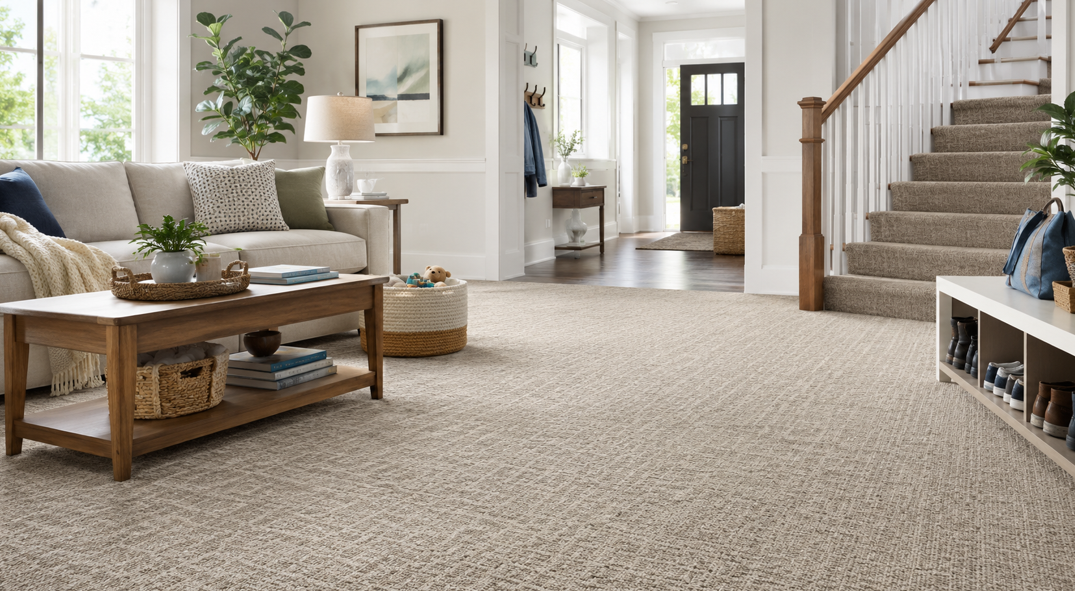
A Carpet That Keeps Up With Family Life
In a busy Richmond home, carpet rarely gets a quiet day. Children move from the family room to the kitchen, pets race down the hallway, guests gather for weekends and holidays, and the same walking paths get used again and again. Over time, all that activity can leave the wrong carpet looking flattened, stained, or tired long before the rest of the room needs an update.
Families do not have to choose between comfort and durability. Today’s carpet can feel soft, complement the home, and still stand up to active daily living. The key is looking beyond color and considering fiber, density, pile height, stain protection, padding, and installation.
Families comparing options with Richmond Decorating can draw on a local business that has served Central Virginia since 1977. The right guidance matters because the best carpet for a quiet guest bedroom may not be the best fit for stairs, a playroom, or a family room where everyone gathers.
For many high-traffic spaces, strong choices include nylon, triexta, and selected solution-dyed polyester carpets. Dense, textured, low- to medium-pile constructions can also make crushing and everyday marks less noticeable. Pets, children, room use, cleaning habits, and comfort preferences all influence the final choice.
This guide explains what “high traffic” really means, which carpet fibers are worth considering, how construction affects performance, and what works best in different rooms. It also covers style, padding, installation, and simple care habits that help a beautiful new carpet stay inviting.
What High Traffic Really Means in a Richmond Home
High traffic is not only about how many people live in the house. It also includes how often a room is used, whether people follow the same route through it, whether pets have access, and how much outdoor debris reaches the floor.
A two-person household may create heavy wear in a narrow hallway used all day, while a larger household may see less wear in a formal room that is rarely entered. That is why room-by-room planning gives better results than choosing one carpet based only on a general label.
Common high-traffic areas include:
Hallways and upstairs landings
Staircases
Family rooms and living rooms
Entryways
Playrooms
Home offices
Children’s bedrooms
Paths between exterior doors, kitchens, and shared spaces
Repeated pressure can flatten fibers and create visible traffic lanes. Dirt and grit can also settle into the pile and contribute to wear when they are not removed regularly.
Children add spills, craft materials, toys, and constant movement to the equation. Pets may bring in soil, shed hair, scratch at the floor, or have occasional accidents. Rolling office chairs concentrate pressure in one small area. Frequent entertaining increases foot traffic and the chance of food or drink spills.
A family does not need to treat its home like a showroom. The goal is to match the carpet to the way the room is actually used.
Before comparing samples, it helps to answer a few practical questions:
Who uses the room most often?
Are food and drinks common there?
Do pets have access?
Is the same walking path used throughout the day?
Does the household prefer a plush feel or easier maintenance?
How much natural light reaches the room?
Will the carpet meet hard flooring at nearby doorways?
These details quickly narrow the field and make the selection process more focused.
The Best Carpet Fibers for Busy Families
The carpet fiber is the material that forms the visible surface. It influences resilience, softness, stain resistance, color retention, maintenance, and value. Product quality still varies within each fiber category, so the label alone never tells the whole story.
Nylon Carpet
Nylon is often considered a dependable all-around option for active households because it is known for resilience. In practical terms, resilient fibers are better able to recover after repeated footsteps, furniture pressure, and regular vacuuming.
That makes nylon worth considering for stairs, hallways, family rooms, and other spaces where appearance retention matters. Many nylon carpets also include stain-protection treatments, although the exact performance and warranty conditions vary by product.
Its strength lies in balancing durability, comfort, and broad design availability.
Best for: Families prioritizing reliable performance in heavily used rooms.
Triexta Carpet
Triexta has become popular with families who want a soft feel and practical stain resistance. In many products, stain resistance is built into the fiber rather than added only as a surface treatment. That can make triexta appealing in family rooms, bedrooms, playrooms, and pet-friendly spaces.
Compare density, pile construction, backing, and manufacturer recommendations rather than selecting a product only because it feels soft.
Best for: Homes that need a balance of comfort, stain resistance, and everyday family performance.
Polyester Carpet
Polyester is valued for softness, rich color, and approachable value. Solution-dyed polyester can also provide strong colorfastness because the color is incorporated into the fiber during production rather than applied only to the outside.
For active rooms, a dense, well-twisted polyester carpet may perform better than a plush, loosely built option.
Best for: Bedrooms, lower-traffic living spaces, and families seeking softness with practical value.
Wool Carpet
Wool offers natural character, comfort, and a premium appearance. It can feel luxurious underfoot and work beautifully in design-led homes. Quality wool also has natural resilience, but it requires appropriate care and usually represents a higher investment.
Discuss cleaning requirements, room use, and maintenance before choosing wool, especially for a busy family space.
Best for: Homes seeking premium texture, natural material, and long-term visual appeal.
Homeowners can compare fibers, textures, colors, and performance features across a broad range of carpet flooring before deciding which option best suits each room.
In simple terms, nylon is often chosen for resilience, triexta for softness and stain resistance, polyester for color and value, and wool for natural luxury. The best result comes from matching the fiber with the right construction and traffic rating.
Carpet Construction Features That Improve Durability
Fiber is only part of the performance story. Construction determines how the yarns are arranged, how tightly they sit together, and how the surface responds to repeated use.
Density
Density describes how closely the carpet fibers are packed. A denser carpet often feels more substantial and may show less backing when the sample is bent.
Compare samples side by side rather than judging by softness alone. Loosely spaced fibers may not recover from heavy traffic as well as a denser textured option.
Twist Level
Twist refers to how tightly individual yarns are twisted. A stronger twist can help textured carpet resist fraying, matting, and visible wear.
Frieze-style carpets use highly twisted fibers to create a relaxed surface that helps disguise footprints and traffic patterns.
Pile Height
Low- to medium-pile carpet is often easier to maintain in busy rooms. Shorter fibers are generally less likely to crush dramatically, and vacuuming can feel more straightforward.
High-pile carpet may be ideal for bedrooms or quieter spaces. In hallways, stairs, and playrooms, a lower or medium pile often balances comfort and performance.
Loop, Cut-Pile, and Textured Styles
Loop carpet has yarns that remain uncut, creating a structured surface that can handle regular use well. Households with pets may want to consider whether claws could catch on exposed loops.
Textured cut-pile carpet has cut fibers arranged to create a less uniform surface. It can reduce the visibility of footprints, vacuum marks, and minor changes in pile direction.
Patterned carpet adds visual interest and can disguise small marks, especially on stairs or in home offices.
Stain Protection and Colorfastness
Stain-resistant features can make cleanup easier, but no carpet is completely immune to spills or damage. Quick attention still matters.
Solution-dyed fibers are colored throughout the material, which can support strong color retention. This may be useful in sunny rooms or homes where regular cleaning is part of family life. Product-specific care instructions remain the safest guide when dealing with spills.
The Best Carpet Choices for Each Busy Room
Every room creates a different type of wear. Selecting carpet by room helps families get the comfort they want without overlooking practical needs.
Family Rooms and Living Rooms
Family rooms need to feel comfortable while handling gatherings, play, pets, and frequent movement. A dense nylon or triexta carpet with a textured finish can provide a strong balance.
Medium tones, heathered colors, and subtle patterns are often practical because they can make lint, crumbs, pet hair, and minor marks less obvious. The carpet can still look refined without demanding constant attention.
Hallways and Upstairs Landings
These areas develop repeated walking paths, so resilience is especially important. A tightly constructed, low- to medium-pile carpet can help maintain a neat appearance.
Very pale solid colors may reveal traffic patterns sooner, while extremely dark shades can show light-colored debris. Mid-tone blends often give families a more forgiving everyday surface.
Staircases
Stairs concentrate pressure along a narrow path and around each edge. Dense carpet with a secure construction is usually the most practical direction.
Professional measurement and installation are particularly valuable on stairs because the carpet needs to fit cleanly around edges and remain stable underfoot. Patterned or textured styles can also add visual interest while reducing the visibility of wear.
Playrooms
Playrooms benefit from comfort, stain resistance, and straightforward maintenance. Triexta, nylon, or a dense solution-dyed polyester may all be worth comparing, depending on the product.
A textured or subtly patterned carpet can make the room feel lively and help conceal small marks between cleanings. Lower pile also makes it easier to move toys and vacuum the surface.
Home Offices
Carpet can soften sound and make a home office feel comfortable, but rolling chairs create concentrated wear. A low-pile, dense carpet is often easier for chair movement and may hold its appearance better.
A chair mat can provide added protection beneath a frequently used desk chair.
Bedrooms
Bedrooms allow more flexibility because traffic is often lighter. Plush carpet can create a warm, relaxing feel, while children’s rooms may benefit from a denser, easier-care construction.
The ideal choice depends on whether the room is mainly used for sleeping or also functions as a play, study, or shared space.
How to Balance Durability, Comfort, and Style
Durable carpet does not have to look commercial or feel rough. Modern options come in a wide range of colors, patterns, textures, and softness levels.
Choose Colors That Support Daily Living
Medium shades, blended colors, flecks, and heathered effects can help reduce the visibility of everyday debris. The best color also depends on the household.
A home with a light-colored dog may find that pale pet hair shows clearly on dark carpet. A very light carpet may reveal muddy footprints more quickly near an entryway. Looking at the family’s routines makes color selection more practical.
Use Texture to Soften Visible Wear
Texture breaks up the surface visually. That can make footprints, vacuum lines, and small changes in pile direction less obvious.
Frieze, textured cut pile, and subtle patterns often work well in active rooms because they look relaxed and forgiving. Smooth, uniform plush carpets may be more suitable where a formal appearance matters and traffic is lighter.
Consider the Whole Home
Carpet rarely stands alone. It may meet hardwood, luxury vinyl, laminate, or tile at nearby doorways. It also needs to work with paint, furniture, cabinetry, and window treatments.
Coordinated undertones and thoughtful transitions create a natural flow from room to room.
View Samples in the Actual Space
Showroom lighting can differ from home lighting, so view samples in the intended room at different times of day.
Place the sample near walls, trim, furniture, and adjoining floors. Touch it, bend it to look at density, and consider how the texture fits the room’s purpose. A sample that looks beautiful in isolation may feel different once it sits beside the rest of the home.
Make a Confident Long-Term Carpet Choice
Once the style and fiber options have been narrowed down, a few final details can make the decision more reliable.
Ask About Traffic Ratings and Product Guidance
Ask how the carpet is rated for residential traffic and whether it is recommended for stairs, hallways, pets, or family rooms. Product warranties and stain coverage vary, so it is helpful to review the manufacturer’s terms before purchasing.
A knowledgeable flooring professional can explain product differences in plain language.
Do Not Overlook Carpet Padding
Padding supports comfort, stability, insulation, and long-term carpet performance. The thickest pad is not automatically the best match.
Carpet manufacturers often provide requirements for pad thickness and density. Following those guidelines helps the finished floor perform as intended and may also affect warranty coverage.
Value Accurate Measurement and Professional Installation
Accurate measurement helps estimate material needs and reduce avoidable waste. Professional installers also handle seams, edges, transitions, and stair details.
Richmond Decorating offers design consultation, in-home estimates, residential installation, commercial installation, and financing options. That combination can help families move from early ideas to a polished finished space with one local team.
Build a Simple Care Routine
A manageable care routine can make a noticeable difference:
Vacuum regularly, especially along common walking paths.
Clean spills promptly using the manufacturer’s guidance.
Place mats near exterior doors to reduce tracked-in grit.
Use a suitable chair mat beneath rolling office chairs.
Rearrange movable furniture occasionally when practical.
Schedule professional cleaning according to product recommendations.
Avoid unapproved cleaning products that could affect the fiber or warranty.
The best carpet for a high-traffic Richmond home combines an appropriate fiber, dense construction, practical pile height, family-friendly color, suitable padding, and skilled installation. It should feel welcoming on day one and continue supporting the household’s routine for years to come.
Ready to compare carpet options for your busiest rooms? Get in touch for personalized guidance and an accurate in-home estimate.